Highways and Urban Renewal: Displacing Black Communities

Urban “Progress” at a Cost
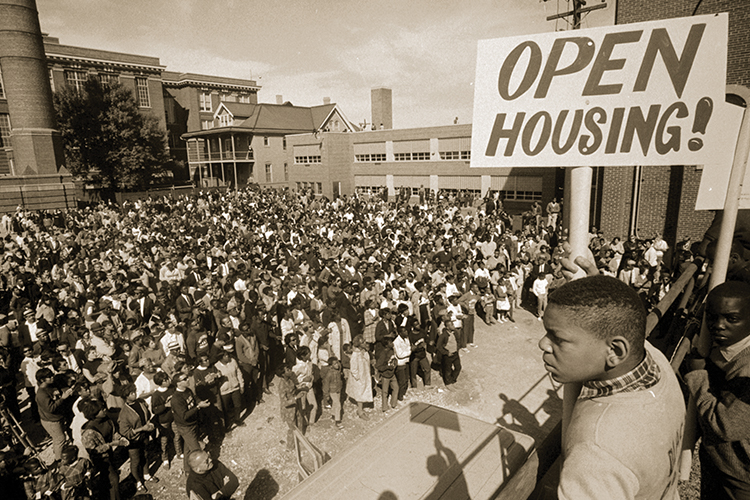
In the mid-20th century, urban renewal programs and highway construction often targeted thriving Black neighborhoods. Entire communities were bulldozed to make way for roads, commercial developments, or suburban expansion. Families were forced to relocate, businesses closed, and social networks fractured.
Targeted Neighborhoods
Examples include Chicago’s Bronzeville, New York’s Seneca Village, and parts of Washington D.C. These neighborhoods were culturally rich and economically active, yet deemed expendable in the name of progress. Infrastructure decisions were rarely made with the input of those directly affected.
The Human and Cultural Toll
Displacement eroded community cohesion, disrupted education, and diminished generational wealth. The cultural landmarks, businesses, and institutions built over decades were lost, leaving a legacy of trauma that continues to affect descendants of displaced families.
Reflection and Resistance
Urban renewal highlights the power of policy to shape communities — and the importance of advocacy in protecting marginalized neighborhoods. Recognizing past injustices informs contemporary efforts to resist gentrification and preserve Black cultural spaces in cities today.










Comments
No comments yet, be the first submit yours below.