Environmental Racism: Placing Pollution in Black Communities

Unequal Placement of Environmental Hazards
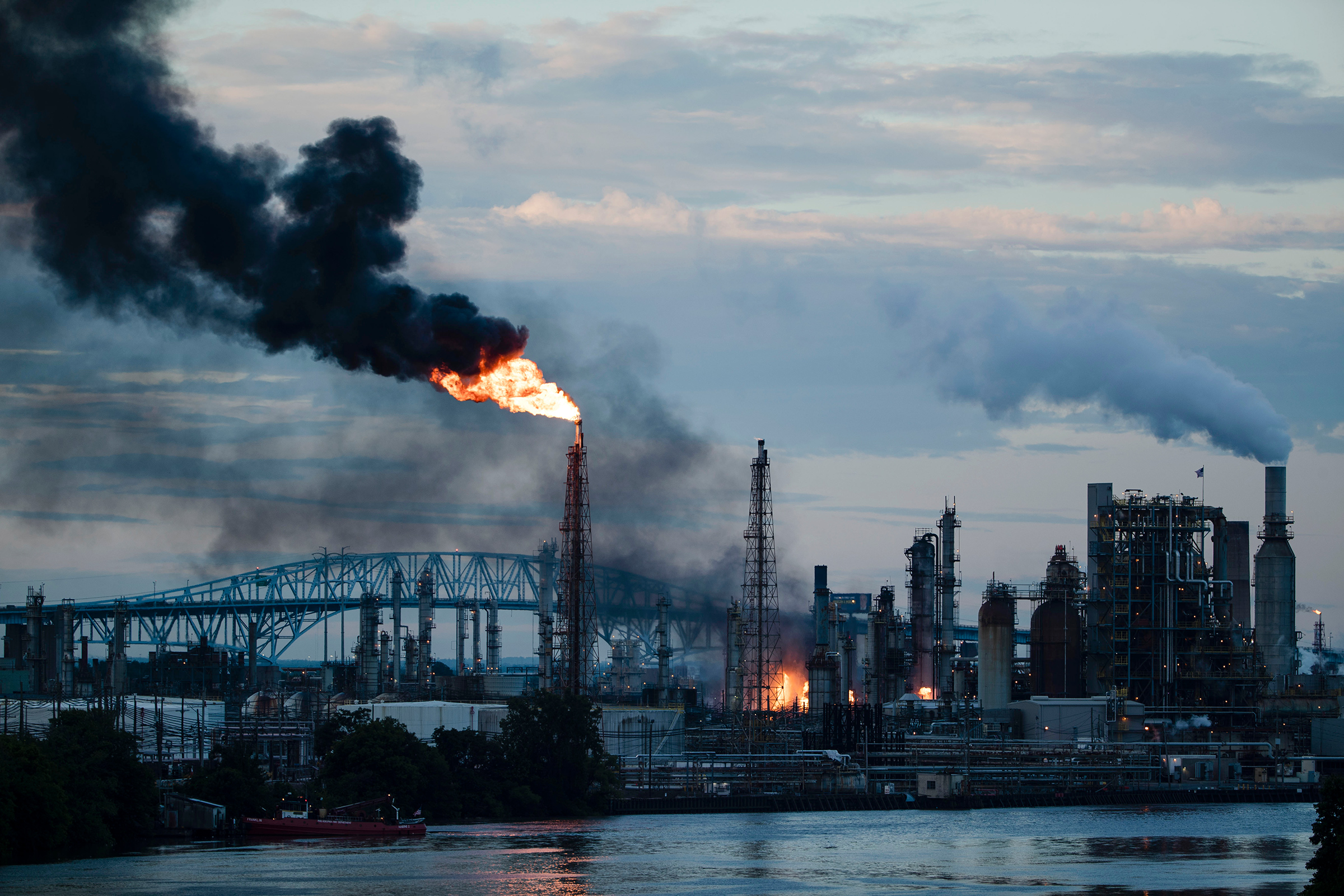
Across the United States, highways, landfills, factories, and toxic waste sites have disproportionately been placed near Black neighborhoods. These decisions were not random. Zoning laws, political neglect, and economic marginalization made Black communities more vulnerable to environmental harm. The result has been higher exposure to air pollution, contaminated water, and hazardous waste.
Health Consequences
Environmental inequality contributes directly to higher rates of asthma, cancer, lead poisoning, and other chronic illnesses in Black communities. Children growing up near highways or industrial zones face long-term health risks that affect education, productivity, and overall life expectancy. Environmental conditions compound existing healthcare and economic disparities.
Infrastructure and Neglect
Aging water systems, lack of green space, and poor waste management often affect predominantly Black neighborhoods. When infrastructure fails, response times and investment can lag behind those in wealthier, predominantly white communities. Environmental neglect reinforces cycles of disadvantage and signals whose safety is prioritized.
Grassroots Advocacy
Black activists and community leaders have been at the forefront of environmental justice movements. From local protests against landfill placement to national campaigns for clean water and air, these efforts demand accountability and equitable environmental policy. The environmental justice movement reframes pollution not only as an ecological issue but as a civil rights issue.
A Broader Pattern
Environmental racism reflects a broader historical pattern of unfair treatment — where Black communities bear disproportionate burdens while receiving fewer protections. Addressing these inequities requires policy reform, equitable urban planning, and sustained investment in historically neglected neighborhoods.
Environmental justice is inseparable from Black history. The fight for clean air, safe water, and healthy living conditions is part of the ongoing struggle for dignity, equality, and protection under the law.








:max_bytes(150000):strip_icc()/GettyImages-103057983-4ea56e613e704344937cd89f50c13cfa.jpg)
Comments
No comments yet, be the first submit yours below.