Why the Middle Class Feels Like It’s Always One Step Behind

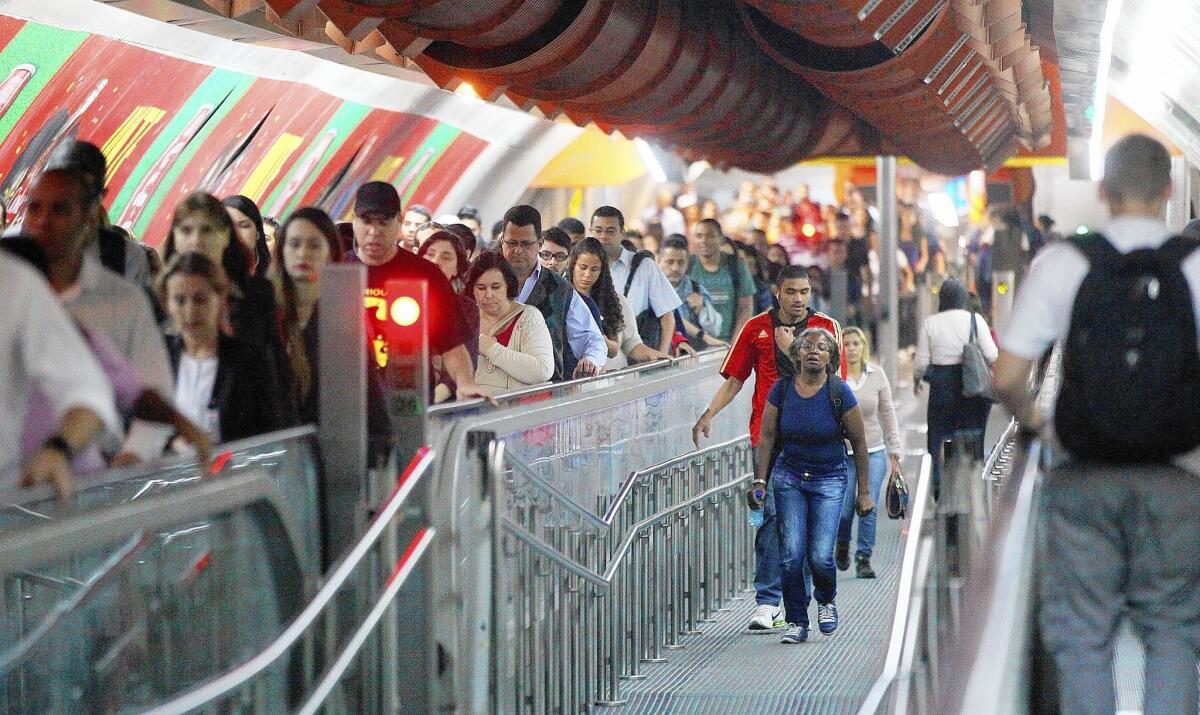
The middle class is under pressure like never before.
Rising costs, stagnant wages, and hidden fees make it feel like progress is impossible. Even with a decent income, expenses climb faster than paychecks, leaving families constantly balancing bills, debt, and expectations.
The illusion of stability is fragile.
Owning a home, maintaining a car, and saving for the future all feel essential, yet these pillars are vulnerable to market changes, interest rates, and inflation. One unexpected event—a repair, job loss, or medical bill—can undo months of careful planning.
Debt keeps people locked in.
Credit cards, mortgages, and loans create long-term obligations. While they allow for short-term comfort, they also reduce flexibility. Middle-class families often work harder to maintain a lifestyle that is technically beyond the income that supports it.
Society rewards appearance over resilience.
Keeping up appearances—nice car, trendy gadgets, vacations—takes priority over long-term stability. The pressure to appear successful masks real financial stress and contributes to a cycle of overwork and overspending.
Awareness creates opportunity.
Recognizing these systemic pressures allows middle-class individuals to prioritize financial independence, reduce unnecessary obligations, and regain control. Planning, saving, and questioning lifestyle norms are critical tools for breaking the cycle.
The challenge is structural, not personal.
The middle class isn’t failing because of laziness—it’s squeezed by rising costs, slow wage growth, and societal expectations. Understanding the system is the first step toward building real security and independence.
Being middle class today means constant navigation between income, obligations, and the pressures of maintaining a lifestyle that often exceeds practical means.









Comments
No comments yet, be the first submit yours below.